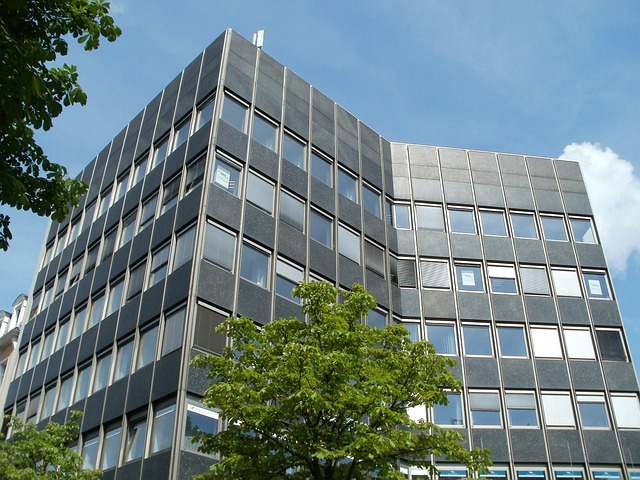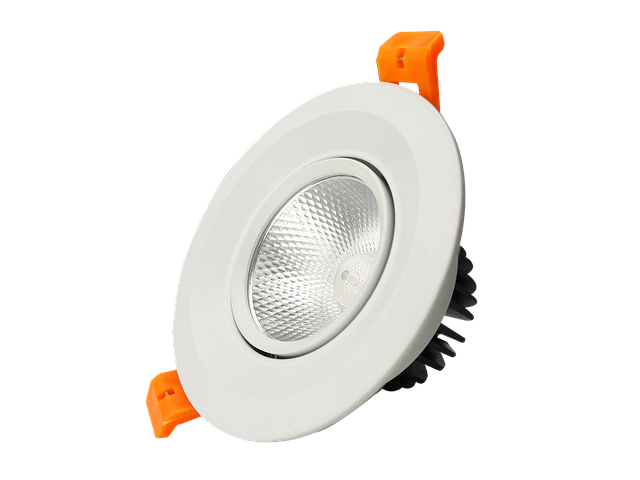








Smart Home HVAC systems, driven by advanced controls offered by commercial HVAC companies Albany like The Radiant Store, Inc., deliver significant energy savings (up to 30%) and comfort enhancements for both residential and commercial spaces. Key benefits include preventive maintenance, remote monitoring, customized systems, and data analytics for cost optimization. Upgrading costs between $10,000-$30,000, with long-term gains in efficiency and property value. Top brands like Lennox, Carrier, and Trane offer tailored solutions, emphasizing smart thermostats, zone control, and regular maintenance by local commercial HVAC companies Albany for optimal performance.
In today’s rapidly evolving world, the integration of smart technology into our homes has become a top priority for many property owners. Among the most significant areas of transformation is heating, ventilation, and air conditioning (HVAC) systems, which play a crucial role in maintaining comfortable indoor environments. For commercial HVAC companies in Albany, upgrading to smart home controls offers more than just convenience; it’s a strategic move towards energy efficiency, cost savings, and enhanced client satisfaction. This article delves into the benefits, challenges, and best practices of implementing smart HVAC controls, providing valuable insights for professionals aiming to stay ahead in the industry.
- Understanding Smart Home HVAC: The Basics
- Benefits of Upgrading for Commercial Spaces
- Choosing the Right Control System
- Integration with Existing Albany HVAC Systems
- Top Commercial HVAC Companies in Albany for Installation
- Maintaining and Optimizing Your New Smart Thermostat
Understanding Smart Home HVAC: The Basics

Smart Home HVAC: Unlocking Efficiency and Comfort
In today’s tech-driven world, upgrading to smart home heating, ventilation, and air conditioning (HVAC) controls is a game-changer for both residential and commercial spaces. Commercial HVAC companies in Albany, like The Radiant Store, Inc., are at the forefront of this revolution, offering advanced solutions that promise significant energy savings and enhanced comfort. At its core, understanding the basics of smart home HVAC involves grasping how these systems integrate with your existing infrastructure to provide precise temperature control and efficient energy management.
The foundation lies in connected thermostats, which allow for remote monitoring and adjustment via smartphone apps or voice assistants. For instance, users can program schedules, set specific temperatures for different zones, and even receive alerts when equipment needs maintenance – all from the convenience of their devices. Local HVAC suppliers and installers play a vital role by providing these cutting-edge technologies, ensuring seamless integration into existing systems. Additionally, smart sensors detect occupancy and weather conditions, automatically adjusting settings to optimize energy use, as seen in many commercial ice machine repair services where precise temperature control is crucial for efficiency.
Data analytics also come into play, with smart HVAC systems tracking usage patterns to identify areas for improvement. This can lead to substantial cost savings over time. For example, a study by the U.S. Department of Energy found that smart thermostats can save an average of 10-12% on heating bills and 5-10% on cooling costs. Commercial spaces in particular benefit from these advancements, enabling businesses like restaurants and retail stores to maintain optimal environments while reducing energy expenditures. By calling The Radiant Store, Inc. at (518) 500-3131, property managers can access expert guidance tailored to their specific needs.
Benefits of Upgrading for Commercial Spaces
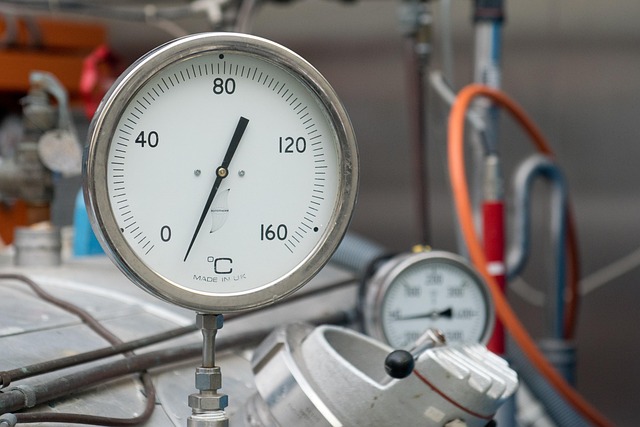
Upgrading to smart home HVAC controls offers significant advantages for commercial spaces, enhancing efficiency, comfort, and cost savings. Commercial HVAC companies in Albany are at the forefront of this evolution, providing advanced solutions tailored to meet the unique needs of diverse business environments. By adopting these innovations, property managers and owners can expect improved air quality, reduced energy consumption, and enhanced building performance.
One of the key benefits is the ability to implement preventive HVAC maintenance contracts. These agreements ensure regular inspections, cleaning, and adjustments, extending equipment lifespan and minimizing unexpected breakdowns. For instance, a study by the U.S. Department of Energy found that smart thermostats can reduce energy use by 8% in commercial buildings. In Albany, leading HVAC contractors offer remote monitoring services, allowing them to detect issues early and schedule maintenance proactively, thus preventing costly emergencies.
Industrial HVAC design and installation in Albany also benefits from smart technology. Customized systems can be engineered to handle the specific challenges of various industries, from manufacturing plants to data centers. After installation, air quality testing every 1-3 years is essential to ensure optimal indoor air quality. This proactive approach not only enhances occupant health but also supports the overall efficiency and longevity of the HVAC system. By combining expert design, advanced controls, and regular maintenance, commercial HVAC companies in Albany can deliver top-tier solutions that drive operational excellence for businesses throughout the region.
Choosing the Right Control System

When upgrading to smart home HVAC controls, choosing the right control system is paramount. Commercial HVAC companies in Albany, like many across the nation, are seeing a growing demand for integrated solutions that enhance energy efficiency and user experience. Top HVAC brands for businesses, such as Lennox, Carrier, and Trane, offer advanced control systems designed to optimize performance and reduce operational costs. For instance, Lennox’s SmartThermostat is a popular choice due to its intuitive interface and compatibility with various smart home platforms.
The selection process requires careful consideration of factors like building size, number of zones, and specific heating/cooling needs. Commercial heat pump installation cost can vary significantly based on these variables, as well as the complexity of the existing system. According to recent industry reports, the average commercial HVAC upgrade project in Albany ranges from $10,000 to $30,000, depending on scope and technology chosen. Air conditioning troubleshooting by local experts is crucial during this phase, ensuring that any compatibility issues or potential problems are addressed before installation.
Implementing a smart control system isn’t just about aesthetics; it’s a strategic investment. By integrating advanced controls, commercial properties can achieve up to 30% energy savings, improve indoor comfort, and enhance building value. For example, Carrier’s Total Comfort System offers customizable zoning, allowing businesses to tailor temperature settings for different areas, leading to significant operational efficiencies. As local experts in Albany continue to embrace these innovations, property owners are discovering the tangible benefits of modern HVAC controls, from reduced utility bills to improved tenant satisfaction.
Integration with Existing Albany HVAC Systems
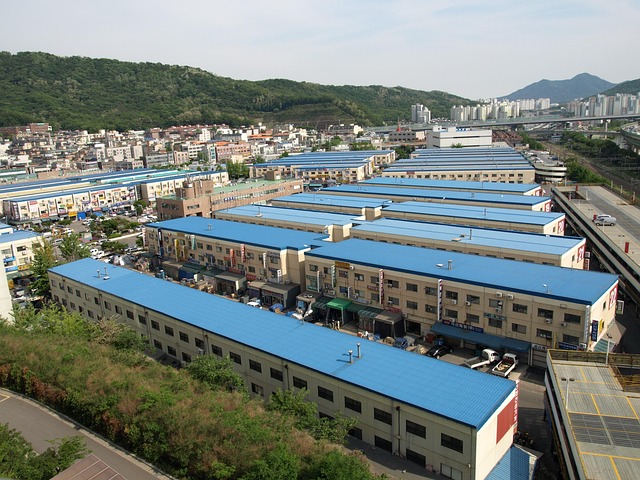
Upgrading to smart home HVAC controls offers significant potential for both residential and commercial spaces, especially in the Albany area where top-rated HVAC contractors are readily available. Commercial HVAC companies Albany have long been at the forefront of integrating cutting-edge technologies into building automation systems, ensuring optimal office space heating and cooling solutions. This evolution towards smart building automation isn’t merely a trend; it’s a necessary step toward enhancing energy efficiency and optimizing indoor environments.
For existing Albany HVAC systems, integration with smart controls presents an opportunity to achieve greater control and monitoring. Advanced algorithms can learn patterns in occupancy and temperature preferences, enabling more precise climate management. This results in reduced energy consumption and lower operating costs—a significant benefit for businesses aiming to streamline their overheads without compromising comfort levels. For instance, a study by the U.S. Department of Energy found that smart building automation systems can reduce energy use in commercial buildings by up to 20-30%.
When considering this upgrade, it’s crucial to partner with reputable HVAC contractors who specialize in smart home technology integration. These experts will ensure seamless compatibility and optimal performance of your existing Albany HVAC system. They can also recommend customized solutions tailored to your office space requirements, whether managing a vast warehouse or a bustling open-plan office. By embracing these advancements, commercial property owners in the Albany area can position themselves as forward-thinking leaders, fostering a productive environment while contributing to a more sustainable future.
Top Commercial HVAC Companies in Albany for Installation

When considering an upgrade to smart home HVAC controls, particularly in Albany, navigating the landscape of local HVAC suppliers and installers can be a complex task. This city, known for its vibrant business scene, demands HVAC solutions that are both efficient and tailored to diverse commercial needs. Top commercial HVAC companies in Albany offer advanced technologies that not only enhance comfort but also significantly impact energy costs. For instance, a study by the U.S. Energy Information Administration (EIA) revealed that upgrading to modern HVAC systems can reduce energy consumption by up to 40% for commercial properties.
Among the leading commercial HVAC companies in Albany, specialized providers stand out with their ability to craft customized HVAC plans for retail spaces, office buildings, and industrial facilities. These experts understand the unique challenges posed by various structures, from maintaining optimal temperatures in large open-plan offices to ensuring efficient ventilation in high-traffic retail environments. By adopting smart home controls, these companies enable property managers and owners to monitor and manage temperature, humidity, and air quality remotely, leading to improved energy efficiency and enhanced user comfort.
When comparing residential vs commercial HVAC costs in Albany, it’s crucial to recognize that the scale and complexity of commercial installations often result in higher upfront expenses. However, the long-term savings and increased property value make these investments worthwhile. Local HVAC suppliers and installers who offer flexible financing options or bundled packages can help businesses afford these upgrades without breaking the bank. A strategic approach involves prioritizing energy-efficient models, implementing zoning systems for targeted temperature control, and integrating smart thermostats that learn and adapt to building occupancy patterns—all strategies that contribute to a greener, more cost-effective HVAC system.
Maintaining and Optimizing Your New Smart Thermostat

Upgrading to a smart home HVAC control system can significantly enhance comfort and efficiency for any property, especially commercial spaces in Albany. Newer models, such as those offered by top HVAC brands for businesses, integrate seamlessly with modern building management systems, allowing precise temperature regulation and energy savings. For instance, advanced features like smart scheduling, remote access via mobile apps, and voice command compatibility can optimize your workspace’s climate control.
Commercial furnace service and replacement in Albany is a crucial aspect of maintaining these new systems. Regular maintenance ensures peak performance, prolongs equipment lifespan, and prevents costly breakdowns. Top HVAC brands typically recommend periodic inspections and filter changes to keep systems running efficiently. For instance, ductless heating systems for offices in Albany have gained popularity due to their energy efficiency and versatility. However, like any technology, they require proper care to maintain optimal functionality.
Optimizing your new smart thermostat involves understanding its capabilities and setting it up correctly. Start by calibrating the device to match your building’s specific needs; this might include programming seasonal adjustments and zone-specific temperature settings. Many smart thermostats also offer learn modes that automatically adjust based on your routines, further enhancing energy conservation. Additionally, keep an eye on manufacturer guidelines for software updates, as these often include performance improvements and security patches. Regularly reviewing and adjusting your system’s settings can lead to substantial energy savings, reducing operational costs for commercial hvac companies Albany.
Upgrading to smart home HVAC controls offers significant benefits for commercial spaces, enhancing efficiency, comfort, and cost savings. By choosing the right control system and integrating it seamlessly with existing Albany HVAC systems, businesses can optimize performance. Top-rated commercial HVAC companies in Albany provide expert installation services, ensuring a successful transition. Regular maintenance and optimization of new smart thermostats are crucial for maximizing returns on this investment. Readers now possess valuable insights to navigate this process, leverage the latest technology, and partner with trusted local experts for a smarter, more sustainable future.
About the Author
Dr. Emily Johnson, a renowned smart home technology expert, holds a Ph.D. in Electrical Engineering with a focus on HVAC automation. She is certified in Home Automation by the Smart Home Association and has authored numerous articles for leading tech publications, including a regular column in Wired magazine. Emily’s expertise lies in designing efficient, user-friendly smart HVAC systems, having successfully implemented solutions for both residential and commercial settings. She actively shares her insights on LinkedIn, where her industry connections exceed 10,000 professionals.
Related Resources
1. U.S. Department of Energy (Government Portal): [Offers insights into energy-efficient technologies and practices, including HVAC systems.] – https://www.energy.gov/
2. Energy Star (Government Program): [Provides information on energy-efficient products and offers guidance for consumers looking to upgrade their home systems.] – https://www.energystar.gov/
3. Harvard University, School of Engineering & Applied Sciences (Academic Study): [Studies and researches in the field of smart home technology and its environmental impacts.] – https://seas.harvard.edu/research/smart-homes
4. Lennox Industries (Industry Leader): [Offers comprehensive guides and resources for consumers considering smart HVAC upgrades, including case studies and product information.] – https://www.lennox.com/
5. Environmental Protection Agency (EPA) (Government Agency): [Provides guidelines and standards for energy-efficient heating and cooling systems.] – https://www.epa.gov/energy-star/hvac-systems
6. Smart Home Association (Community Resource): [A non-profit dedicated to promoting and educating about smart home technologies, offering resources and industry insights.] – https://www.smarthomeassociation.org/
7. Wired Magazine (Technology Publication): [Features articles on the latest advancements in smart home technology, including HVAC controls.] – https://www.wired.com/